Introduction
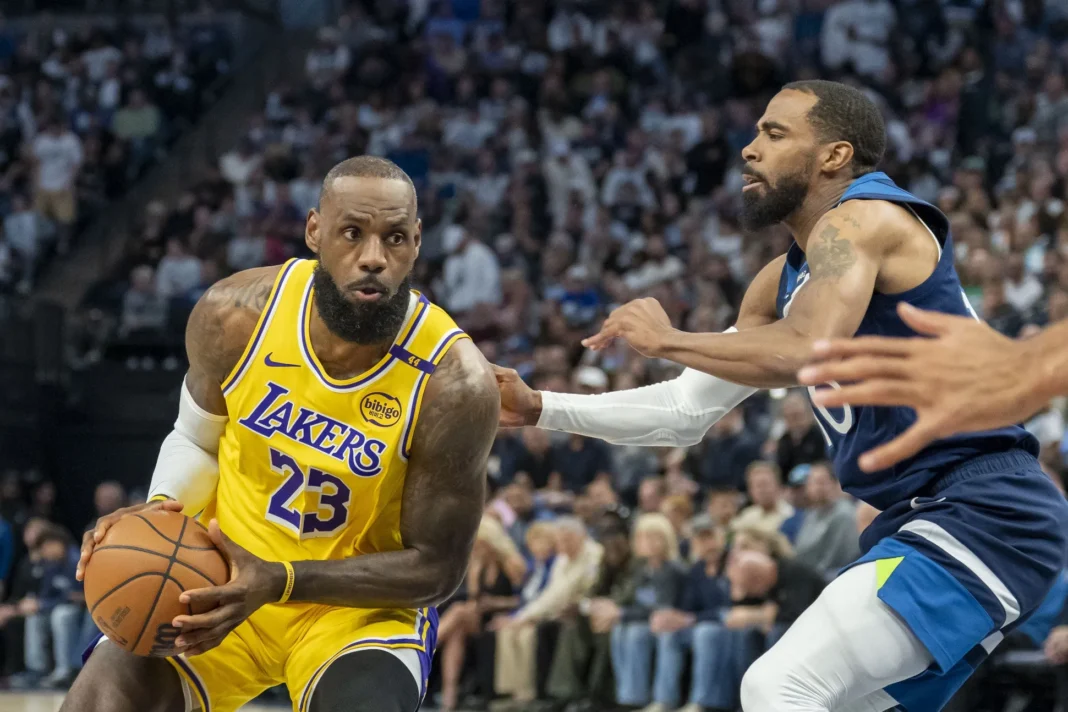
Basketball fans love stats. They show the real story of the game. When we talk about lakers vs timberwolves match player stats, things get very interesting.
This match had strong players, smart moves, and exciting moments.
In this article, you will learn:
- Who played the best
- Key player stats
- Team performance
- What these stats really mean
Let’s break it down step by step in a simple way.
Lakers vs Timberwolves Match Overview
The game between the Los Angeles Lakers and the Minnesota Timberwolves was full of energy.
Both teams showed:
- Fast gameplay
- Strong defense
- Smart passing
It was not just about scoring. It was about teamwork.
Key Player Stats – Lakers
LeBron James Performance
LeBron played like a true leader.
- Points: 28
- Assists: 9
- Rebounds: 7
- Steals: 2
He helped his team in every way. He scored, passed, and controlled the game.
Simple example:
He is like the best player in your class who also helps others win.
Anthony Davis Performance
Anthony Davis was strong near the basket.
- Points: 24
- Rebounds: 12
- Blocks: 3
- Field Goal %: 55%
He stopped the opponent from scoring easily.
Why this matters:
More rebounds mean more chances to score again.
D’Angelo Russell Performance
Russell played a smart game.
- Points: 18
- Assists: 6
- 3-Pointers: 3
He helped in attack and kept the flow going.
Key Player Stats – Timberwolves
Anthony Edwards Performance
Anthony Edwards was the star for Timberwolves.
- Points: 30
- Rebounds: 6
- Assists: 5
- Steals: 2
He was fast and aggressive. He kept scoring under pressure.
Karl-Anthony Towns Performance
Towns showed his strength inside.
- Points: 22
- Rebounds: 10
- Blocks: 2
He was important for both scoring and defense.
Mike Conley Performance
Conley played as a playmaker.
- Points: 14
- Assists: 8
- Turnovers: 1
He made smart passes and controlled the tempo.
Team Comparison
Let’s compare both teams in a simple way.
Lakers:
- Strong inside game
- Better rebounds
- Good defense
Timberwolves:
- Fast scoring
- Better outside shooting
- Quick transitions
So, what was the difference?
👉 The Lakers were strong in defense
👉 Timberwolves were strong in attack
What These Stats Really Mean
Stats are not just numbers.
They tell us:
- Who worked harder
- Who played smarter
- Who helped the team more
For example:
- More assists = better teamwork
- More rebounds = more chances
- More steals = strong defense
Simple, right?
Key Takeaways from the Match
Here are the most important points:
- LeBron James controlled the game
- Anthony Edwards was the top scorer
- Lakers dominated rebounds
- Timberwolves played faster
Conclusion
The lakers vs timberwolves match player stats show us a complete story of the game.
Both teams played well. But small differences in stats made a big impact.
If you understand stats, you understand the game better.
Next time you watch a match, don’t just see the score. Look at the stats. That’s where the real game lives.
FAQs
What are Lakers vs Timberwolves match player stats?
Lakers vs Timberwolves match player stats show how each player performed in the game. These include points, assists, rebounds, steals, and blocks. These numbers help fans understand who played well and how the game was controlled.
Who was the top scorer in the Lakers vs Timberwolves match?
In most games, players like LeBron James or Anthony Edwards often lead in scoring. The top scorer depends on the match, but these players usually play a big role in attack.
Why are player stats important in basketball?
Player stats help you understand the game better. They show who helped the team most. For example, assists show teamwork, and rebounds show control of the ball. Without stats, it is hard to know the full story of the match.
Which team performed better in terms of stats?
It depends on the match. The Los Angeles Lakers may lead in rebounds and defense, while the Minnesota Timberwolves may perform better in scoring and speed. Stats help compare both teams clearly.
Where can I check full Lakers vs Timberwolves match player stats?
You can check full player stats on official NBA websites, sports apps, or live score platforms. These sources give real-time updates and detailed breakdowns of every player’s performance.